One New Driver, Two Driveways, Zero Coverage Gaps
A four part map for Kirkland co-parents whose teenager just started driving, from which policy actually covers them to what happens in the first hour after a crash.
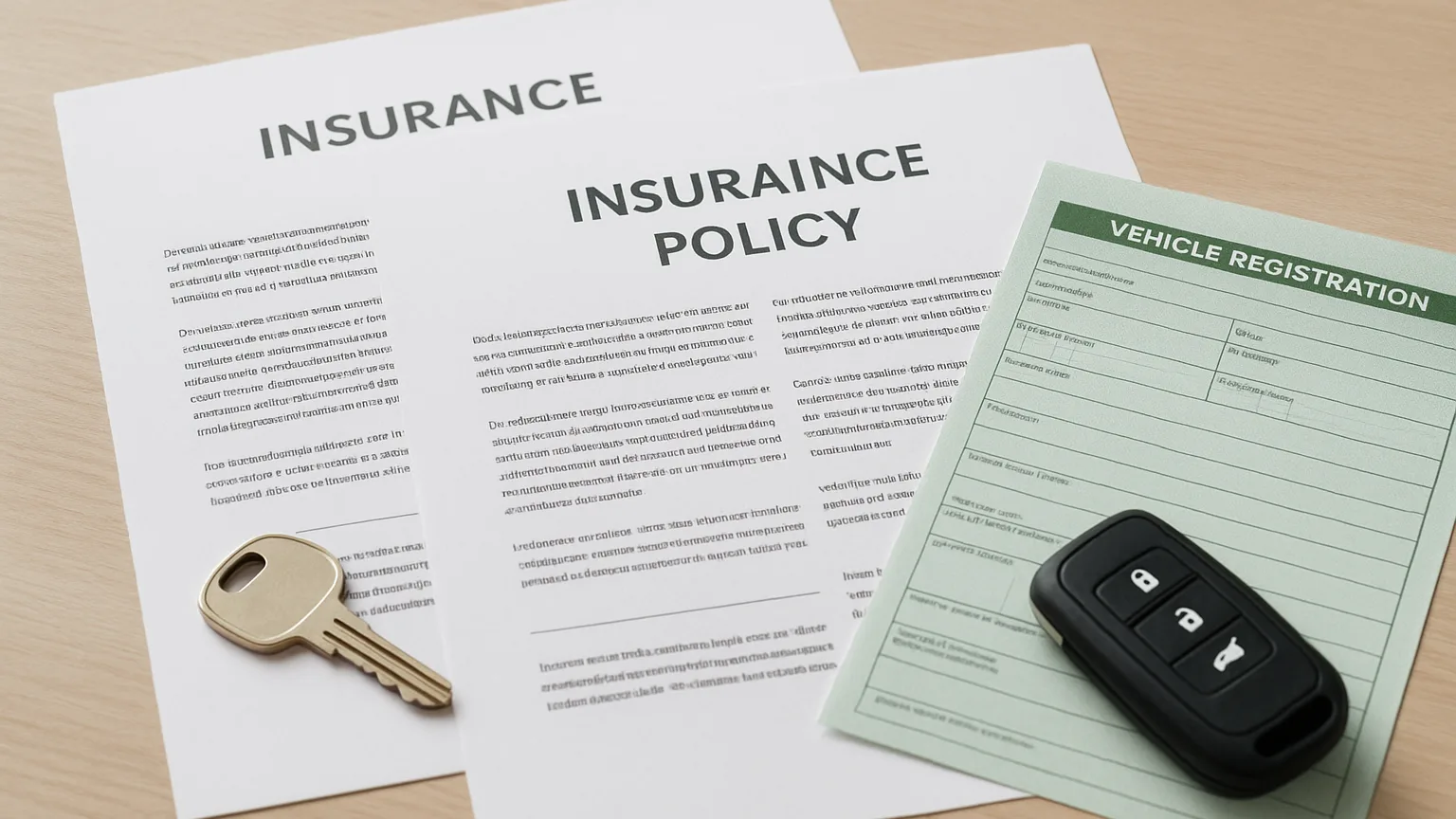
This is a four-part series for Kirkland parents who share custody of a teenager who just started driving. Your child sleeps at two addresses, keeps a phone charger in two kitchens, and now expects keys in two driveways. Insurance companies, vehicle titles, and Washington liability rules were not written with that arrangement in mind, and the gap between how your family actually works and how a policy reads is where families get hurt financially.
The problem the series walks through is simple to state and hard to solve. One teen, two households, two policies, and often two or three cars. If the wrong parent declares the driver, or the car your teen borrows most is titled to the parent with the smaller policy, nobody notices until a claim lands. Then both households are answering questions from two adjusters at once, usually while a hurt teenager is sitting in an urgent care waiting room in Totem Lake.
The series pairs family law thinking with injury and claims experience. Input from Mooshekh Law Firm, a firm that handles the injury side of crashes like these, shaped how each part treats coverage and liability. The goal is practical: decisions you can make this month, before a permit becomes a license.
Read this page for the shape of the whole series, then use the parts below in whatever order fits where your family is right now.
From Learner's Permit to Crash Claim
Every Kirkland family situation is different
A short conversation about your parenting plan, support numbers, or property split usually clears up more than an afternoon of reading. We serve Kirkland, Juanita, Totem Lake, Houghton, Rose Hill, and the wider Eastside.
Coverage First, Then The Keys
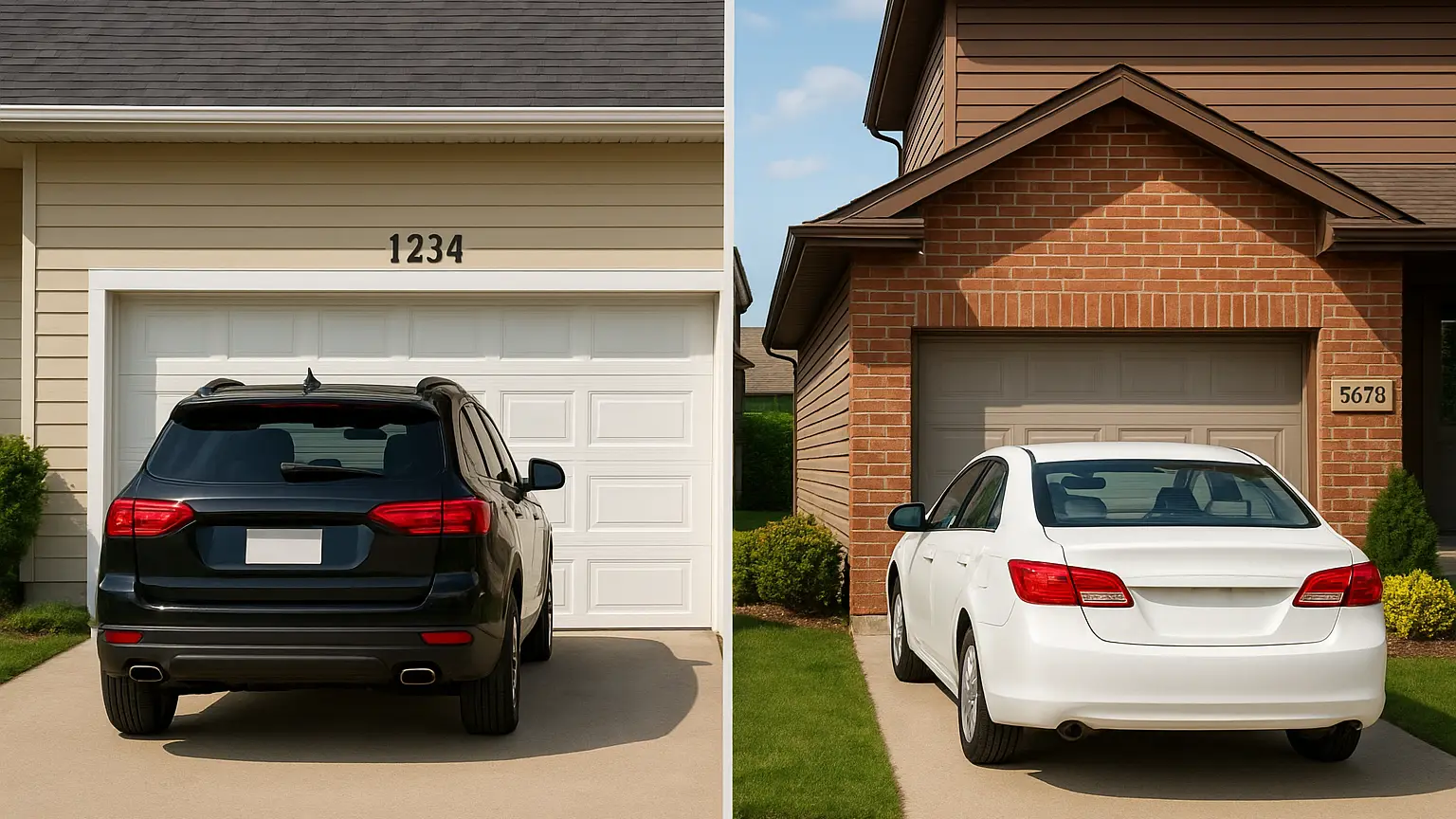
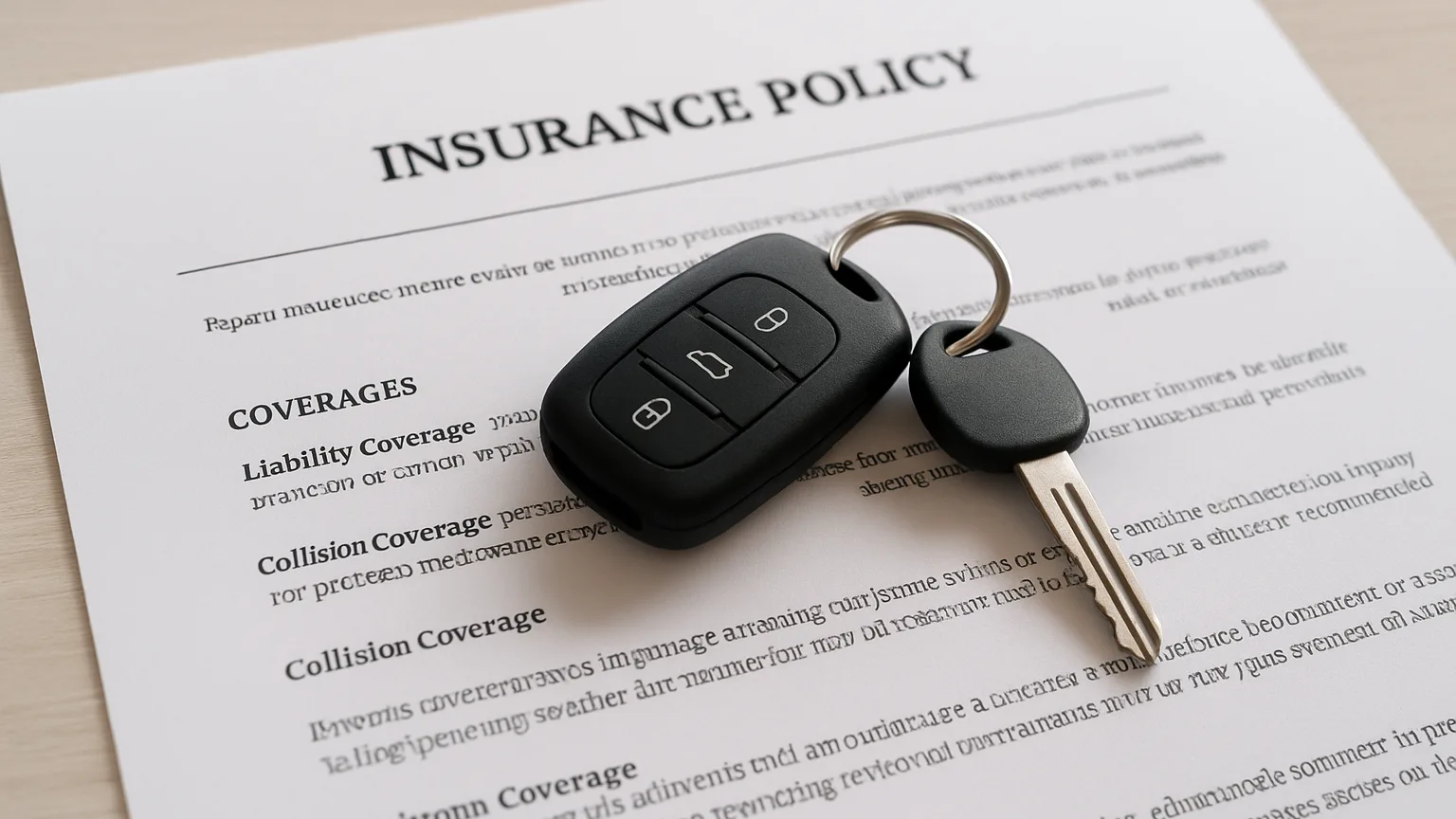
The series starts with the question most co-parents get wrong: which policy covers a teen with two bedrooms. Part 1 explains how Washington insurers read residency, garaging address, and the phrase "resident relative," and why a parenting plan that splits time close to evenly can leave both carriers arguing that the other one owes the claim. It also covers what to say when you call to add a new driver, what a carrier can do if a household member was never declared, and why a permit period is the cheapest time to fix all of it.
Why the first part matters most: an undeclared teen driver can turn a routine claim into a denied one, and a denial does not stay on one side of the parenting plan. It follows the injured people, the other driver, and both parents.
Whose Car, Whose Exposure
Part 2 moves from policies to metal. Titling and registration decide more about your personal exposure than most parents realize, and permissive use, negligent entrustment, and Washington's family car doctrine can pull a parent into a lawsuit even when that parent was asleep at home when the crash happened. This part breaks down each concept in plain language, then applies it to the everyday situations co-parents live with, such as a teen who commutes between houses in a car titled to one parent and insured under the other.
It also connects to the bigger financial picture. Understanding how injury cases work helps explain why a plaintiff's attorney looks for every available policy and every titled owner, and why the name on a registration is not a small detail.
Not sure how this applies to your case?
King County judges have wide discretion, and the facts that matter are rarely the ones people expect. Bring your questions and get a straight answer about where you stand.
Shared Rules And The Hours After Impact
Part 3 turns to the conversation the two of you keep postponing. Fall and winter driving on 405, Juanita Drive, and the passes is when teen crash rates climb, and a new driver with three months of experience meets rain, dark commutes, and wet leaves all at once. This part gives you a shared-rules framework instead of a lecture, covering the pieces that actually change outcomes:
- Curfews and night driving limits that match Washington's intermediate license rules
- Passenger limits, including siblings and stepsiblings
- Highway and mountain pass driving, and when supervised practice comes first
- Phone rules, including navigation and music
- Who pays for gas, the premium increase, and the deductible
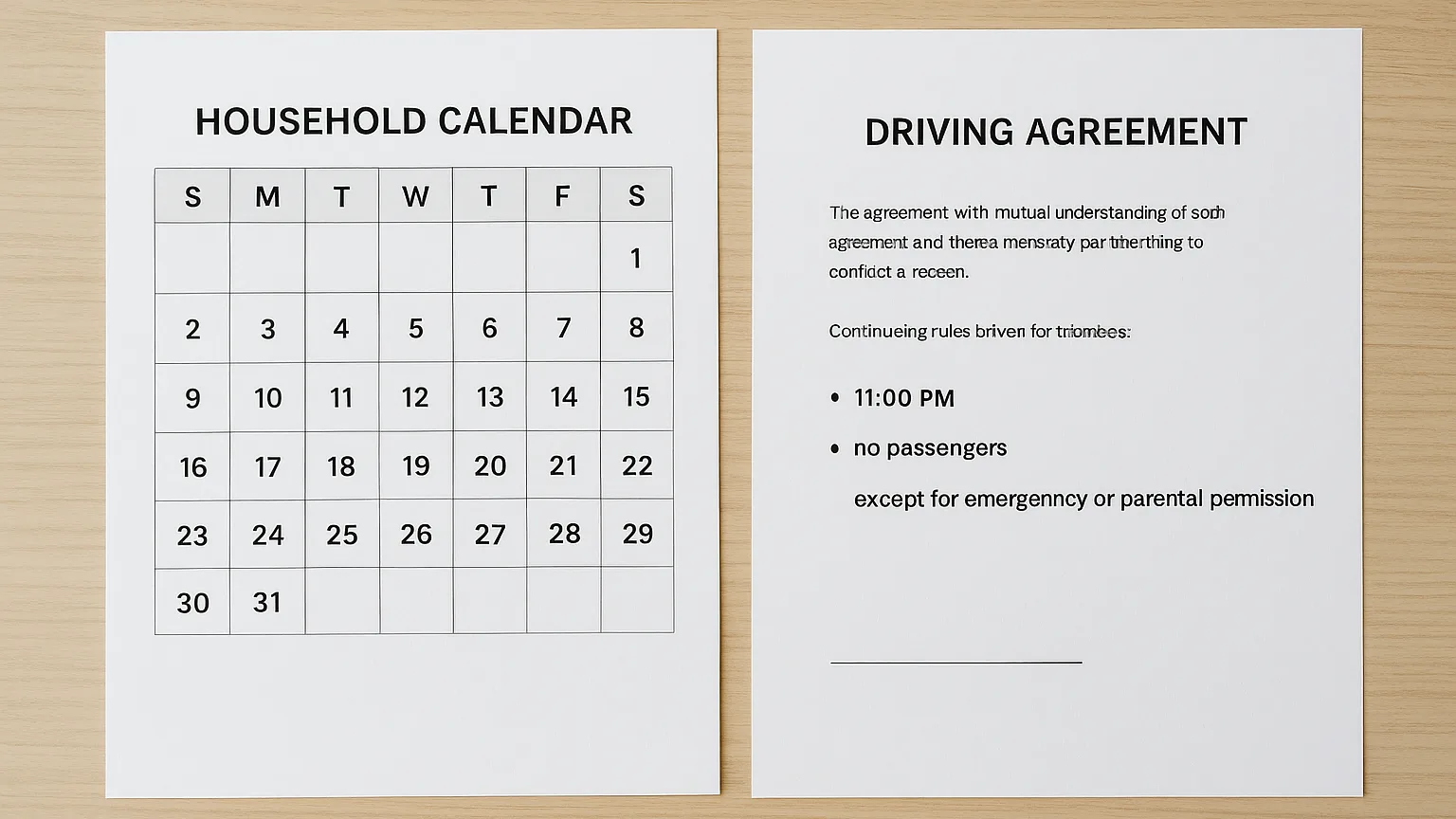
- How to write the agreement down so it survives a bad week between households
Part 4 covers the night you hope never comes. The first 72 hours after a teen's crash decide most of what follows, and this part walks the scene, the police report, medical documentation, notice to both carriers, and how co-parents should talk to each other and to adjusters while emotions are high. Because car accident claims are built from the first day's records, it ties every step back to the coverage, titling, and rules decisions made earlier in the series.
How To Work Through The Series
Start at Part 1 if your teen has a permit or is close to a license, since coverage and titling shape everything after them. If your teen is already driving and you only want the ground rules, go straight to Part 3. If you are reading this tonight because something already happened, open Part 4 first and come back to the rest tomorrow.