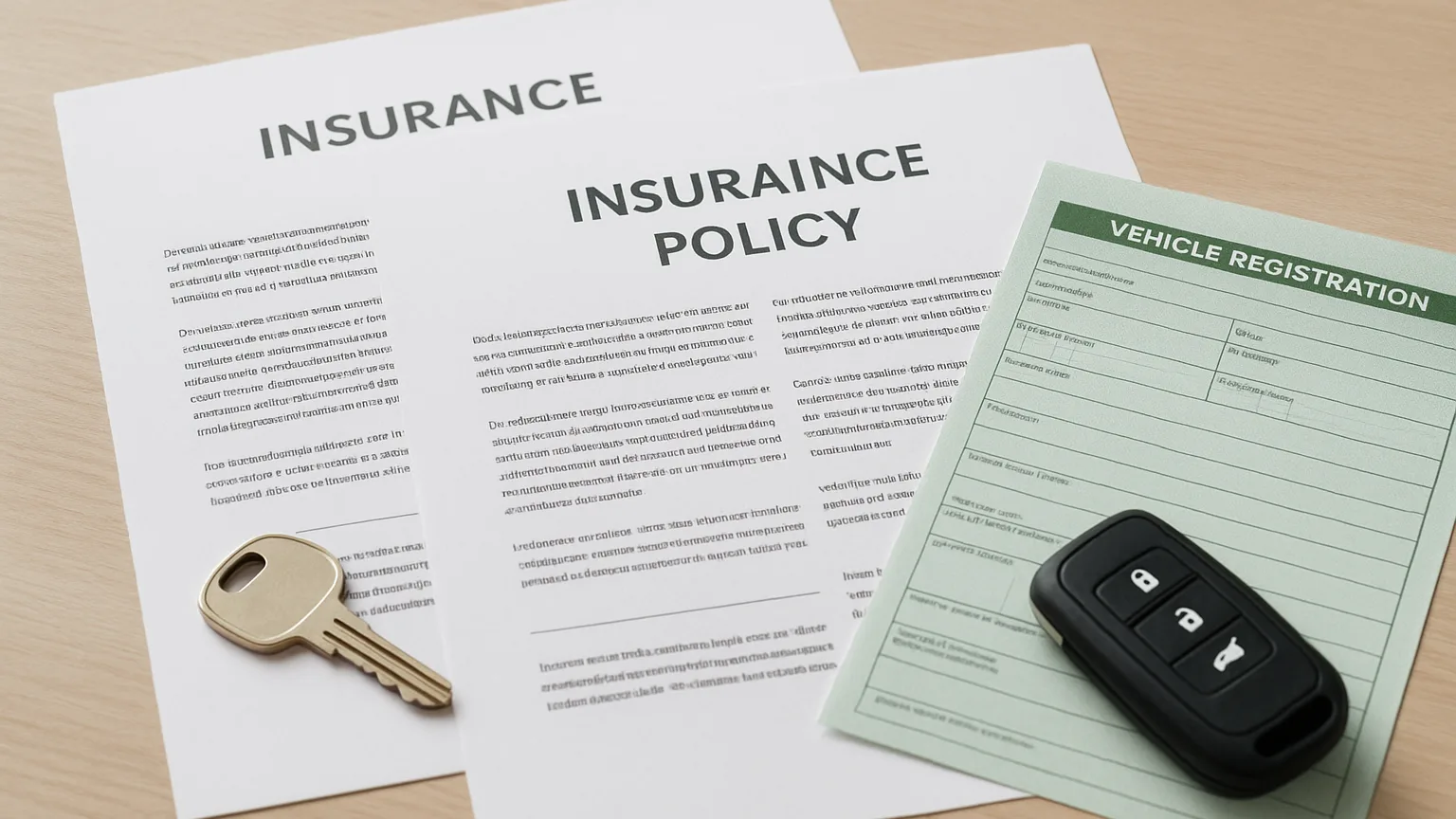
Two Homes, One Permit: Whose Policy Really Pays?
Washington insurers read residency, garaging address, and resident relative in ways that surprise co-parents. Settle the coverage question while the permit is still valid.
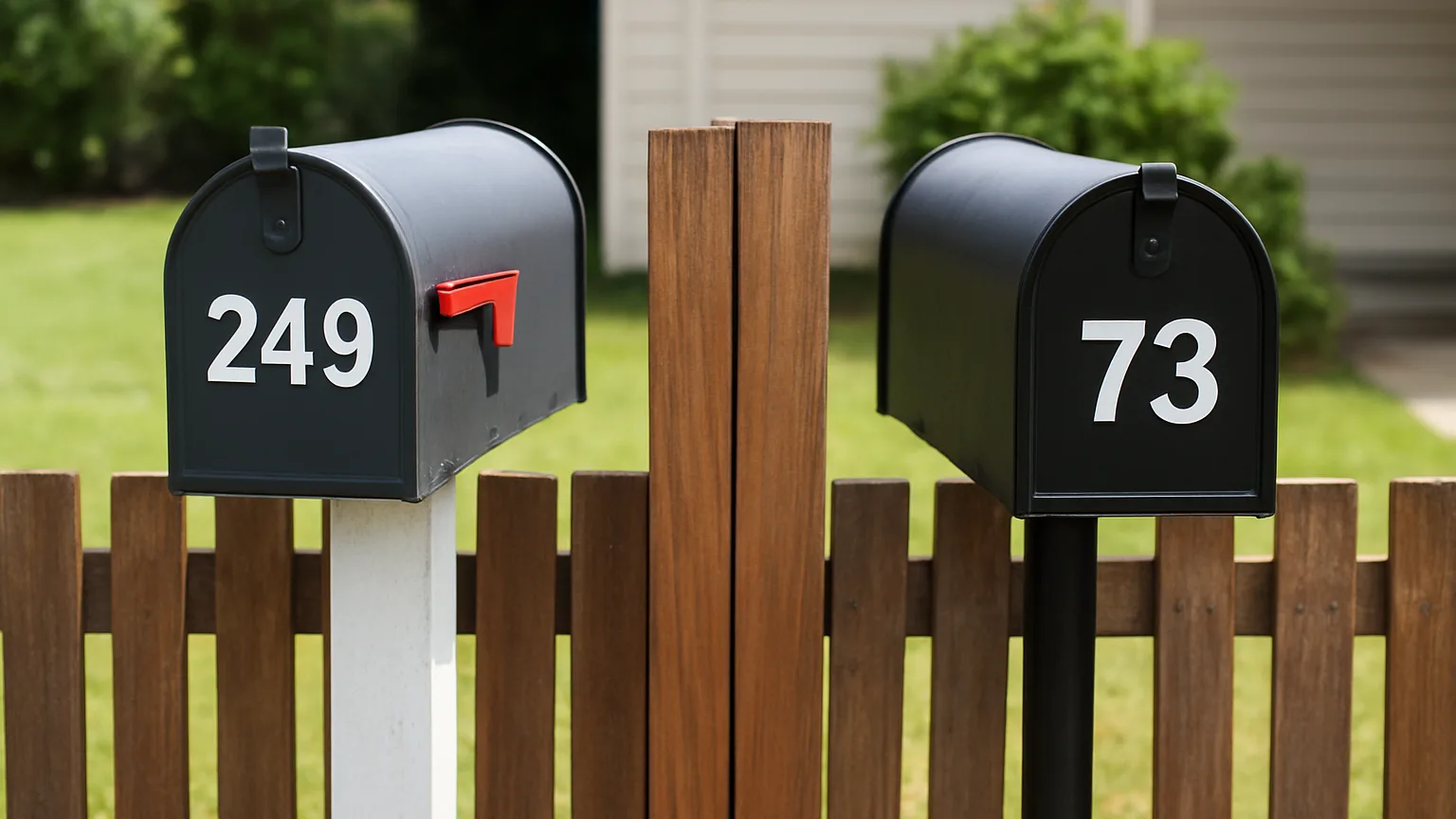
Part 1 of 4 in the series Two Homes, One Teen Driver: The Kirkland Co-Parent's Insurance and Liability Guide.
Your teen splits the week between two Kirkland addresses. Your insurance company only recognizes one story about where that kid lives. This is the first stop in a four part series on raising a new driver across two households, two cars, and two policies.
The permit shows up first, and it feels harmless, so most co-parents put off the insurance talk until the road test is scheduled. That delay is where the trouble hides. By the time a Washington teen has a license, both parents are handing over keys, and neither has confirmed in writing which policy carries the risk.
This series was developed with insights from Mooshekh Law Firm, whose work on injury and liability claims shows how often a coverage fight starts with a simple question about where a teenager sleeps. That question sounds like small talk. In a claim file, it decides who pays.
What Your Parenting Plan Does Not Control
A parenting plan is a court document about custody, schedules, and decision making. It is not an insurance contract. Your carrier never signed it and will not treat it as proof of anything by itself.
Auto policies use their own language. Most cover the named insured plus any resident relative of the household, and many spell out a rating or garaging address for each vehicle. None of that is built for a kid who keeps a toothbrush and a backpack in two houses on Finn Hill and in Juanita. The real risk is not that a teen driver is uninsured. It is that both parents assume the other one handled it, and the gap only becomes visible after a crash, when an adjuster asks where the driver actually lived on the date of loss.
Every Kirkland family situation is different
A short conversation about your parenting plan, support numbers, or property split usually clears up more than an afternoon of reading. We serve Kirkland, Juanita, Totem Lake, Houghton, Rose Hill, and the wider Eastside.
The Garaging Address Nobody Agreed On
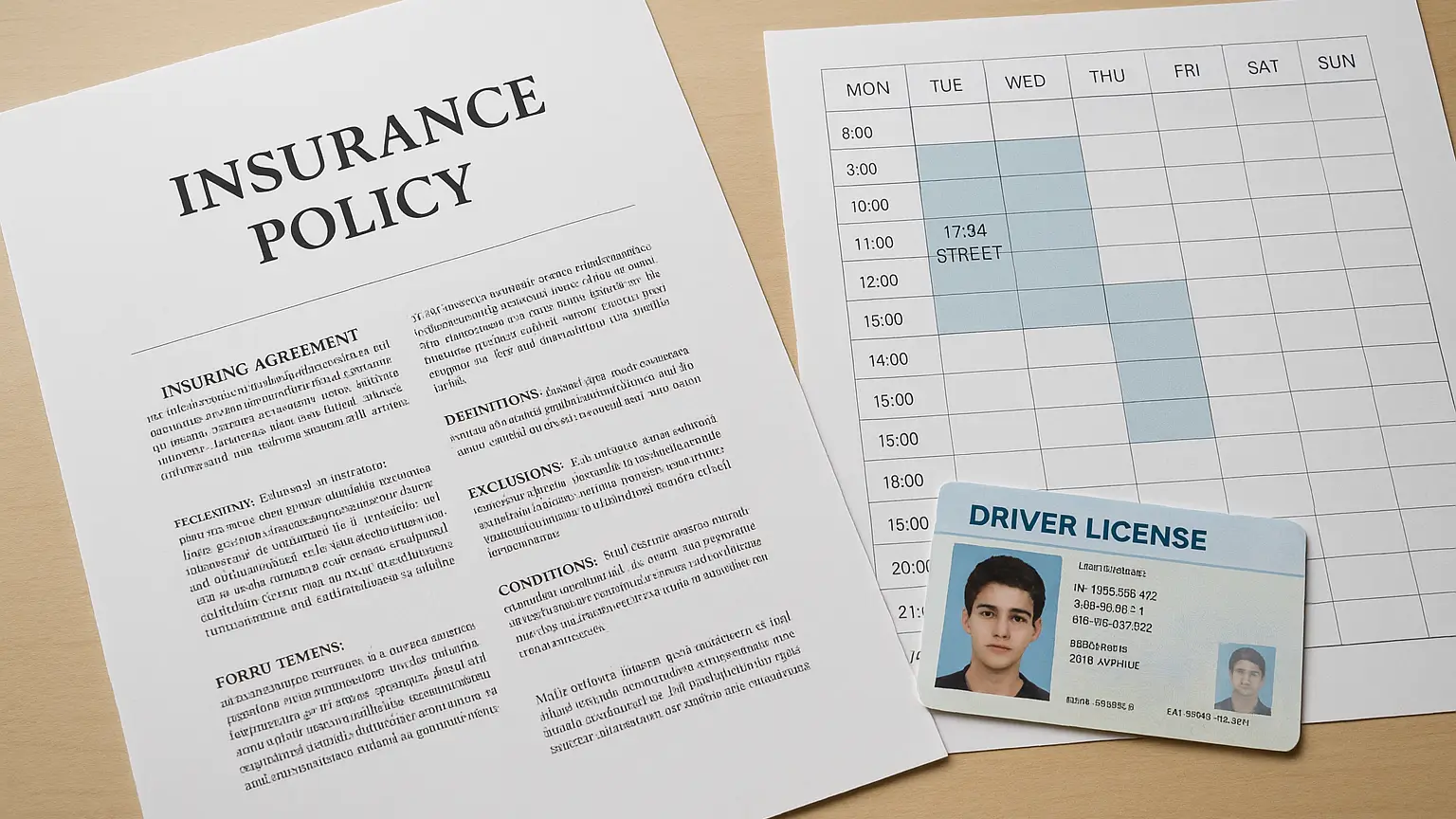
Insurers look at facts on the ground, not the calendar you negotiated. When they investigate residency, they pull the kinds of records that are hard to argue with.
Signals That Point to One Address Over the Other
- The address on the teen's Washington driver's license or permit
- The school district enrollment record
- Where the vehicle is parked overnight most nights
- The mailing address for medical bills and mobile plans
- Which parent claims the teen as a dependent
- Text messages and app data showing routine, not intent
You can see why this gets messy. A teen may be listed at Mom's address on the license, drive a car titled to Dad, and park it at Dad's place four nights a week. Each fact pulls toward a different policy. Coverage fights over teen crashes look similar across the country, and reading how top injury firms describe these disputes in other states shows how often the first argument is about residency rather than the collision.
Why "Resident Relative" Can Cut Both Ways
Being a resident relative of two households is not automatically bad news. Sometimes it means two policies can be looked at, which helps when damages run past one set of limits. Other times one carrier denies while pointing at the other, and your family waits in the middle.
The difference comes down to disclosure. A carrier told about the new driver up front tends to process the claim. One that learns about a licensed teen during an investigation looks for a reason to say the risk was never accepted. The same discipline applies to household rules, which is why the have the hard co-parenting conversation step later in this series matters as much as the paperwork.
Not sure how this applies to your case?
King County judges have wide discretion, and the facts that matter are rarely the ones people expect. Bring your questions and get a straight answer about where you stand.
Getting the New Driver on the Right Policy
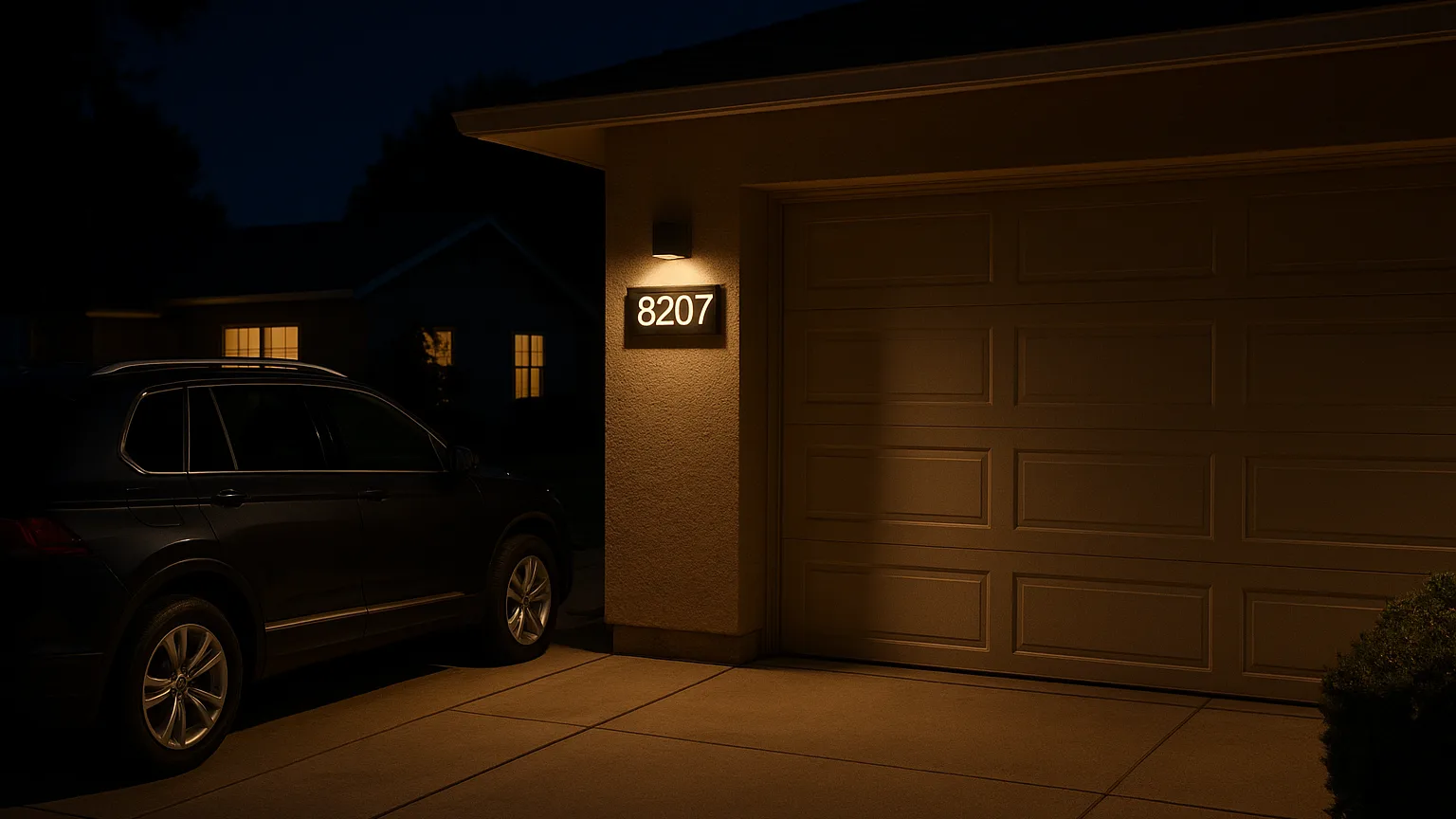
Declaring a teen driver is not one phone call. It is a short, coordinated set of steps both parents should take in the same week.
A Practical Checklist for Both Households
- Call both carriers, separately. Tell each that there is a permitted or licensed driver in the household who resides part time at another address.
- Ask for the answer in writing. Request an email or updated declarations page showing the teen as a listed driver, an excluded driver, or a covered resident.
- Compare the two answers. If one carrier lists the teen and the other excludes them, you know which car is safe to hand over.
- Check the garaging address on each vehicle. The car the teen drives most should be rated where it sleeps most.
- Confirm liability limits and underinsured motorist coverage. Teen crashes often involve injuries, and minimum limits disappear fast.
- Set a review date. Revisit the setup when the license upgrades, a car changes hands, or the residential schedule shifts.
Carriers rarely reward silence. Guidance from Mooshekh Law Firm underscores that a disclosed teen driver with a higher premium beats an undisclosed one with a cheap policy and a denial letter, especially once medical bills and property damage enter the picture.
Where the Keys Go From Here
Coverage is only the first layer. Once both policies know your teen exists, the next question is whose name is on the title and registration of the car they actually drive, because ownership drives liability in ways that surprise most parents. The don't let the title decide discussion in Part 2 covers permissive use, negligent entrustment, and the family car doctrine, so each household knows whose assets are exposed every time the keys move. The first 72 hours after guide later covers the hours right after a crash, where every choice you make tonight shows up in the claim file.
A teen driver with two addresses is not unusual in Kirkland. What is unusual is a pair of co-parents who compare declarations pages before the road test and agree on which policy covers which car. Residency, garaging address, and resident relative language are not fine print. They decide whether a claim gets paid or gets argued about for a year. So make the calls while the permit is still fresh and the stakes are still low, get both answers in writing, and store them where both households can find them. A new driver will test every rule you set. The one thing that should never be in question is which insurance company already agreed to stand behind the wheel your teen is holding.