Whose Car, Whose Risk When Your Teen Borrows Keys
Whose name sits on the registration is a liability decision, not a paperwork detail. Here is how titling plays out when a teen splits time between two homes.
Part 2 of 4 in the series Two Homes, One Teen Driver: The Kirkland Co-Parent's Insurance and Liability Guide.
Part one of this series sorted out which parent's policy a new driver belongs on when the kid's toothbrush lives in two bathrooms. Coverage is only half the story. The other half is parked in the driveway.
Ownership decides who gets named in a lawsuit. In Washington, the name on a vehicle title can pull a parent into a claim even when that parent was miles away and had no idea the car had left the garage. This series was developed with insights from Mooshekh Law Firm, whose injury work shows how a small paperwork decision made years earlier ends up shaping who pays after a crash near Totem Lake or on the 405 on-ramp at NE 85th.
A specialist who works with understanding personal injury cases day to day points out that this tradeoff matters more than most people expect.
Once you have settled before the permit turns, the next question is easy to ask and expensive to answer: whose car is your teen driving tonight, and whose assets are riding along?
Title and Registration Are Not the Same Thing
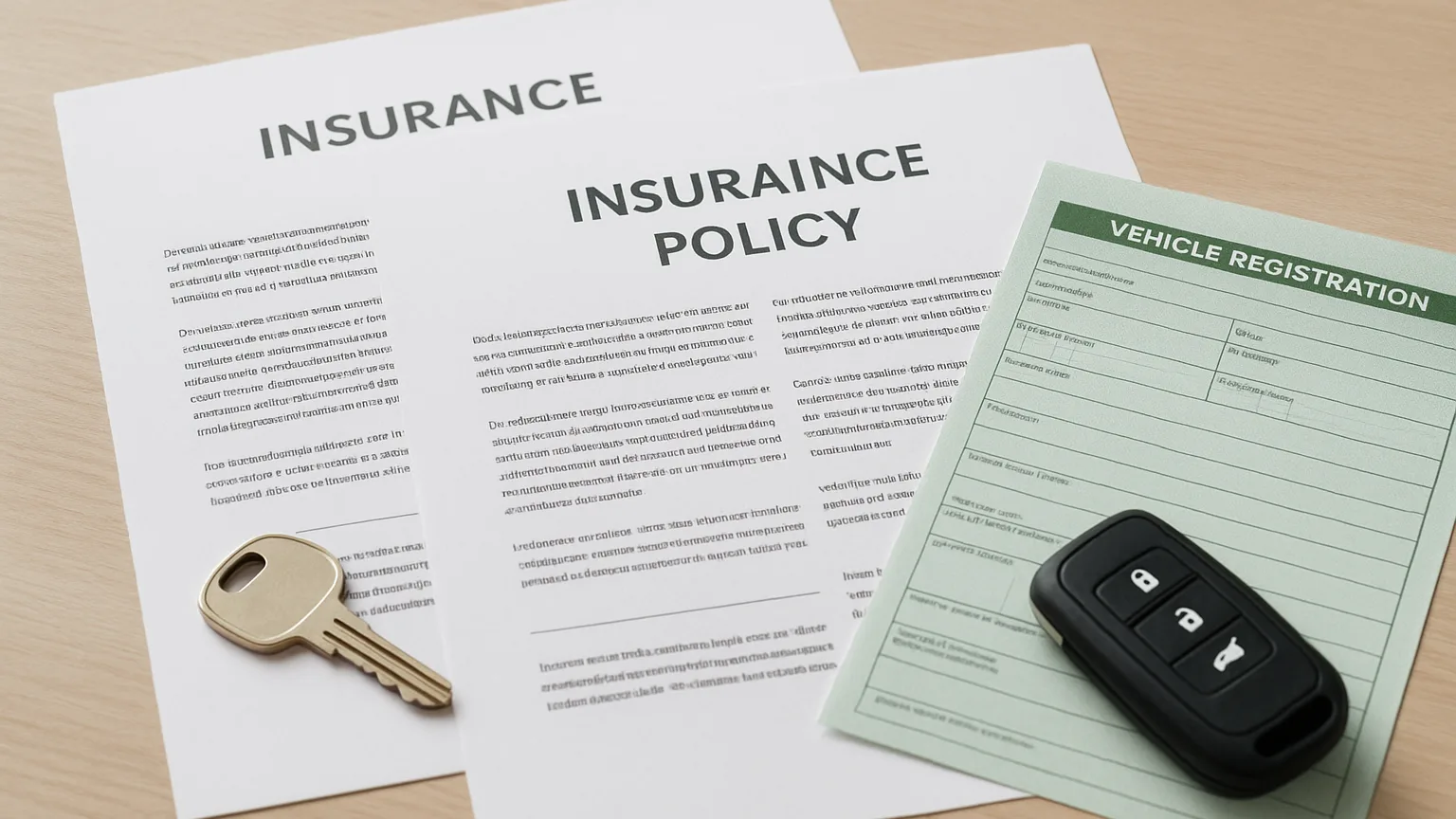
The title says who owns the vehicle. The registration says who is responsible for keeping it legal, with plates and current tabs. They usually name the same person, but not always. Co-parents sometimes split them on purpose: Dad buys the used sedan, Mom keeps it at her place in Juanita and pays the tabs. That is fair enough. It also means both households may have a stake in the same claim, because the other side will look at who owns the car, who paid for it, where it sleeps, and who handed over the keys.
Every Kirkland family situation is different
A short conversation about your parenting plan, support numbers, or property split usually clears up more than an afternoon of reading. We serve Kirkland, Juanita, Totem Lake, Houghton, Rose Hill, and the wider Eastside.
Three Doctrines That Follow the Keys

Insurance companies and courts care less about the title than most parents expect, and much more about consent.
Permissive Use
Most auto policies cover anyone driving the insured car with the owner's permission. That is permissive use, and it is why your teen can borrow the other parent's SUV for a Saturday run to Marymoor and still be covered. The catch is that permission granted once starts to look like standing permission: if the spare key hangs on a hook and nobody objects for six months, no insurer will treat the next trip as a surprise. It also means the owner's policy usually responds first, so the owner's limits are the ones being tested.
The Family Car Doctrine
Washington recognizes the family car doctrine: if a parent owns or maintains a vehicle for general family use, and a family member drives it with that parent's consent, the parent can be held responsible for the driver's negligence. The parent does not have to be in the car, nearby, or even aware of that specific trip. Buying a car "for the kids" is precisely the arrangement this rule was built for.
Negligent Entrustment
This one is about judgment rather than paperwork. Hand the keys to a driver you know is unfit, unlicensed, exhausted, glued to a phone, or fresh off a second speeding ticket, and you can be liable for your own decision to hand them over. "The first thing we ask is what the owner already knew about that driver," says Dana Whitfield, a senior case manager who works on understanding personal injury cases at the firm. Text threads and co-parenting apps become evidence, and a warning one parent already put in writing cuts in both directions.
Not sure how this applies to your case?
King County judges have wide discretion, and the facts that matter are rarely the ones people expect. Bring your questions and get a straight answer about where you stand.
Titling Choices Two Households Can Live With

There is no single correct setup, only trade-offs, and it helps to pick yours on purpose instead of by accident at the dealership.
- Title in one parent's name only. Simplest to insure, but it concentrates the exposure on that parent, and the family car doctrine will likely reach them whenever the teen drives.
- Title in the teen's name alone. Moves ownership off both parents, but premiums usually jump, and a parent who bought or maintains the car can still be pulled in.
- Joint title, parent and teen. Feels balanced and doubles the number of owners a claim can reach.
- No dedicated teen car. The teen drives whichever household car is available as a permissive user, so liability shifts house to house with the keys.
Then compare what each household has to protect. If one parent carries $100,000 in liability coverage and the other carries $500,000 plus an umbrella policy, the higher limits are not just generous, they are a target. Uneven limits across two homes usually mean one parent quietly becomes the deep pocket. Matching liability limits, adding umbrella coverage on both sides, and confirming the teen is listed correctly on each policy costs far less than one shared six figure judgment.
Day to day habits matter too: who keeps the spare key, whether the teen may drive a sibling to school in the other parent's car, and whether "just this once" becomes every Thursday. That is why the ground rules in have the hard co-parenting conversation belong in the same conversation as the title work.
The Cheapest Paperwork You Will Ever File
Titles, registrations, and key privileges are not administrative trivia. They are the map an insurer and an opposing attorney will follow after a wet Monday night on Market Street. Permissive use decides which policy pays first. The family car doctrine can reach a parent who was nowhere near the wreck. Negligent entrustment turns what you already knew about your teen's driving into a liability question. Sorting that out before the first dent is cheap; doing it afterward, while the clock on first 72 hours after is already running, is not.
So take an evening, pull the title and registration for every car your teen might touch, and look at the names together. Line up the liability limits in both households, decide who owns what and why, and write it down so neither parent has to reconstruct it from memory later. Next in this series: the shared driving rules two homes need before the fall rain arrives, when teen crash rates in this part of Washington start climbing.