Three Days That Shape Everything After the Crash
What you do on the phone, at the scene, and at the kitchen table tonight quietly decides how the claim goes three months from now.
Part 4 of 4 in the series Two Homes, One Teen Driver: The Kirkland Co-Parent's Insurance and Liability Guide.
Part three of this series covered the rules you set before the keys changed hands: curfews, passengers, wet pavement, phones in the glove box. This part is about the night those rules get tested. Your teen calls from the shoulder of a road in Kirkland, the hazard lights are on, and the next three days will quietly decide how the claim goes.
This series was shaped in part by the perspective of Mooshekh Law Firm, whose work with families after collisions highlights a pattern worth remembering: the facts that matter most are rarely the ones people think to write down. Adjusters build a story out of what exists in writing. In the first 72 hours, you decide what exists.
What You Say in the First Sixty Seconds
Ask if your teen is hurt, then ask again. Teenagers minimize, and adrenaline masks a stiff neck or a headache that will feel very different by morning. If there is any doubt, the answer is yes to medical attention.
Then ask what happened, but have your teen describe the scene, not narrate fault. Kids apologize by reflex, and "I didn't see them" becomes an admission that follows the file for months. Coach them to be polite, factual, and brief with everyone at the scene.
Get Someone There in Person
Whichever parent is closest goes, not whichever parent's week it is; the custody calendar is irrelevant to a tow truck. Whoever arrives first handles the scene, then calls the other parent from the roadside so both households work from the same facts instead of two retellings. If both parents can get there, one manages the teen and the officer while the other documents.
Every Kirkland family situation is different
A short conversation about your parenting plan, support numbers, or property split usually clears up more than an afternoon of reading. We serve Kirkland, Juanita, Totem Lake, Houghton, Rose Hill, and the wider Eastside.
Documenting the Scene Before It Disappears
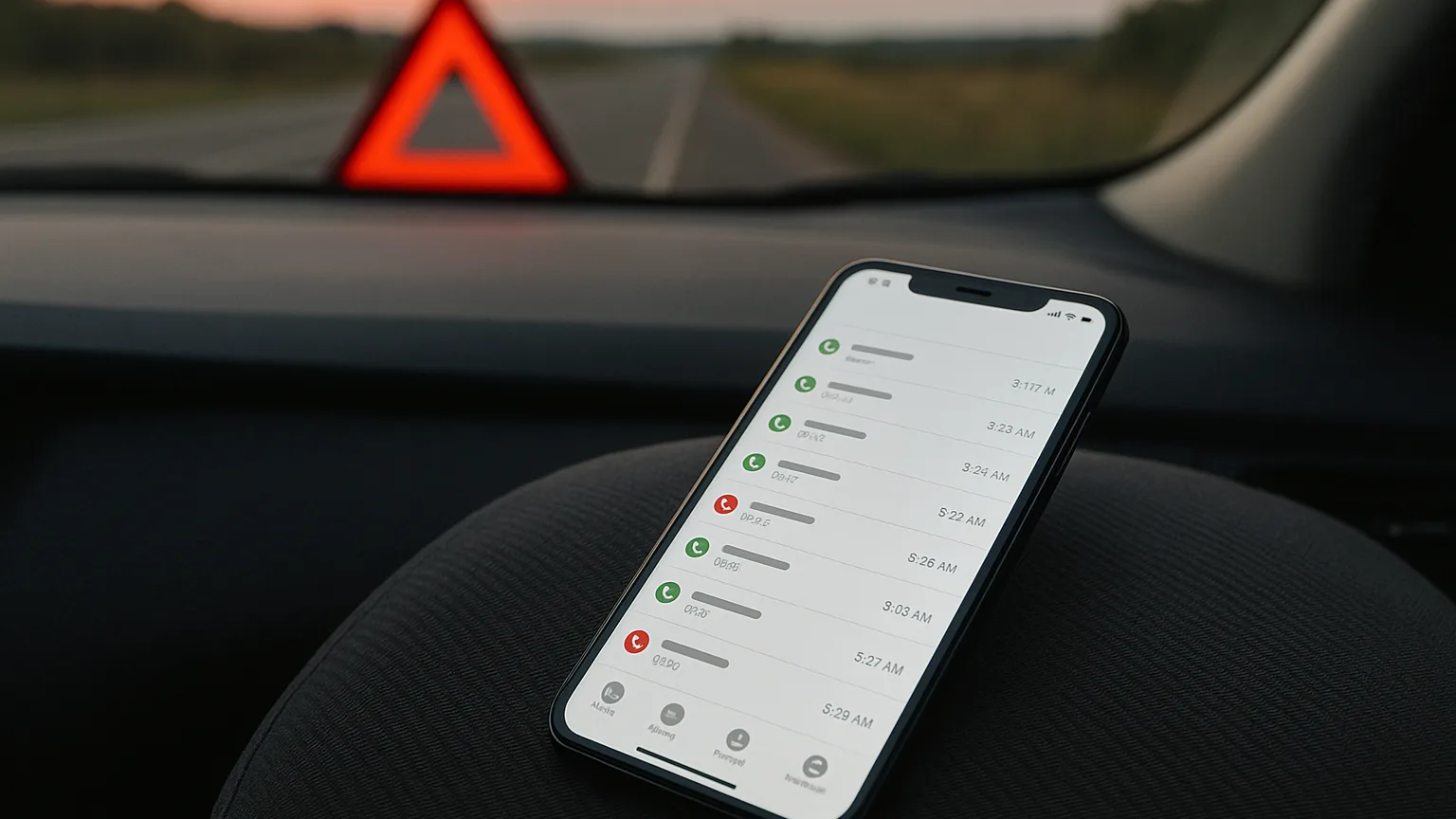
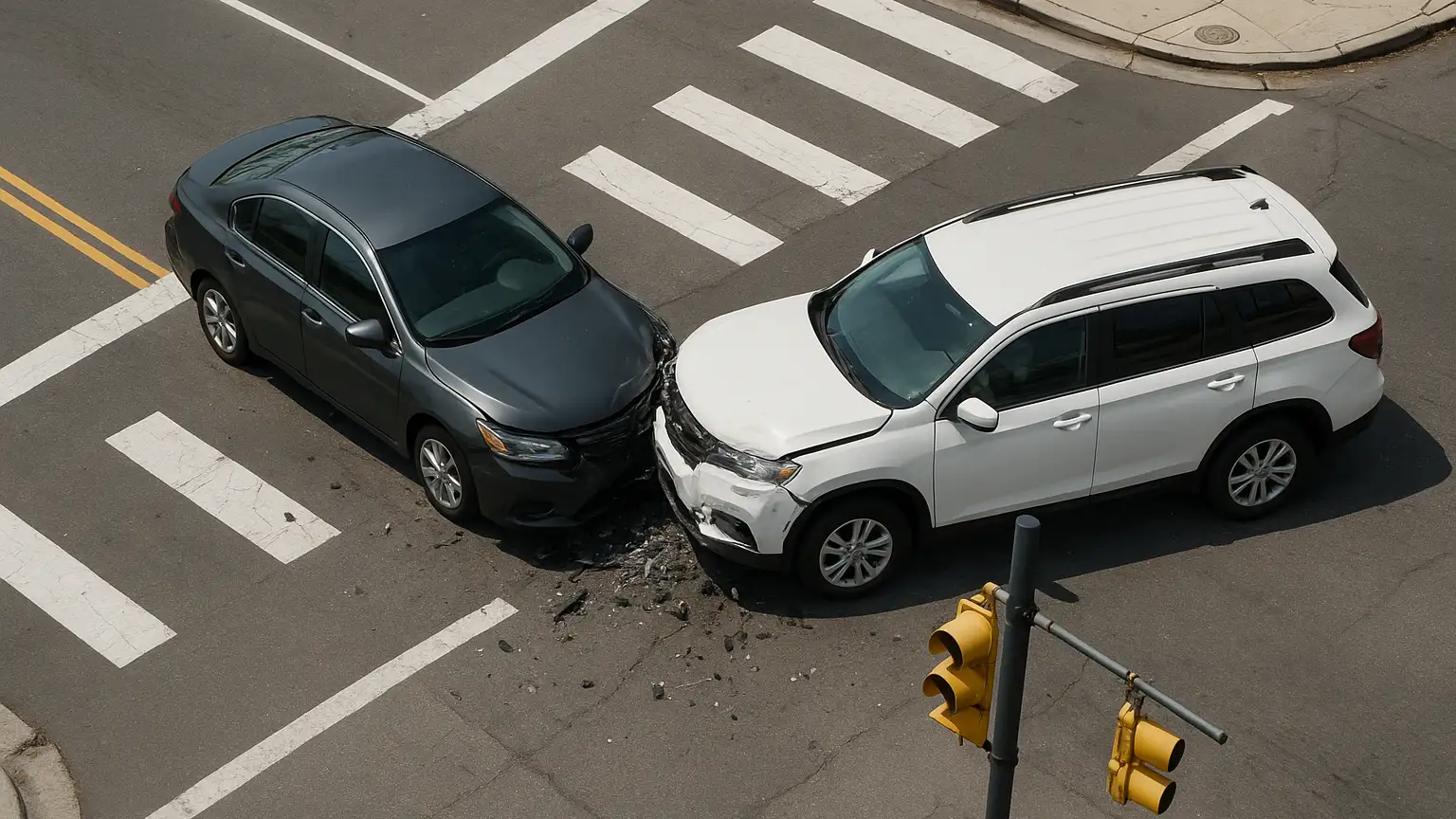
A collision scene has a shelf life of about twenty minutes. Cars get moved, glass gets swept, rain washes away the skid marks. What your phone captures in that window can be worth more than any statement made later.
Photograph More Than the Damage
Most people take four pictures of a dented bumper and stop. That is the least useful evidence in the file. Capture the context instead:
- Wide shots from four directions showing where both vehicles ended up relative to lanes, curbs, and intersections
- Traffic controls: signals, stop signs, speed limit signs, anything blocked by overgrown branches
- Road conditions: standing water, leaves, potholes, construction plates
- Lighting: whether streetlights were working and how dark it actually was
- The other vehicle's plate, VIN, and insurance card, photographed rather than copied by hand
- Every occupant of the other car, since passengers who appear later create injury claims that are hard to challenge
Write down witness names too. Witnesses walk away fast and are nearly impossible to find later; a first name and a phone number scrawled on a receipt beats a perfect memory.
The Police Report Is a Draft, Not a Verdict
Ask the responding officer for the report number before anyone leaves. In Washington, a collision report often takes several days to become available, and it will not always be accurate. Officers arrive after the fact and reconstruct from statements. If the report says your teen was traveling east when they were traveling west, that error becomes the adjuster's baseline. Read it as soon as you can get it, because corrections are possible only if someone notices. Whose name appears as the registered owner matters here too, which is exactly why don't let the title decide deserved its own conversation months ago.
Medical Documentation Starts Tonight, Not Next Week
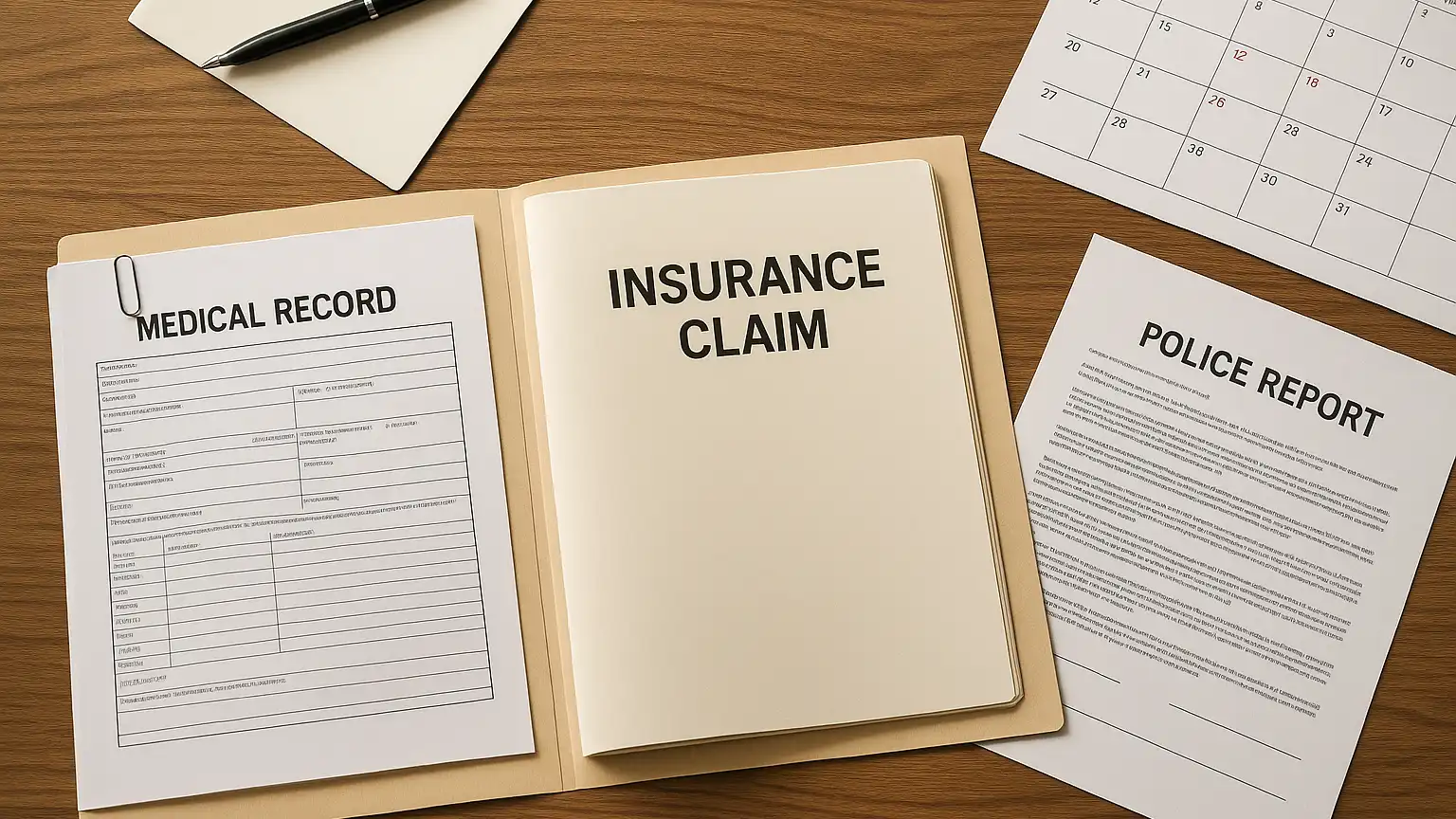
If your teen has any symptom at all, get seen the same night, whether that means urgent care in Kirkland or an emergency department. A gap between the crash date and the first medical visit is the easiest thing for an insurer to use against an injury claim.
Then keep a simple log: date, symptom, what your teen could not do that day. Missed practice. Missed a shift. Could not sit through a full class. This kind of contemporaneous record, something Mooshekh Law Firm style injury practice sees the value of constantly, is far more persuasive than a memory reconstructed at a deposition six months out.
Not sure how this applies to your case?
King County judges have wide discretion, and the facts that matter are rarely the ones people expect. Bring your questions and get a straight answer about where you stand.
Two Insurers, Two Households, One Story
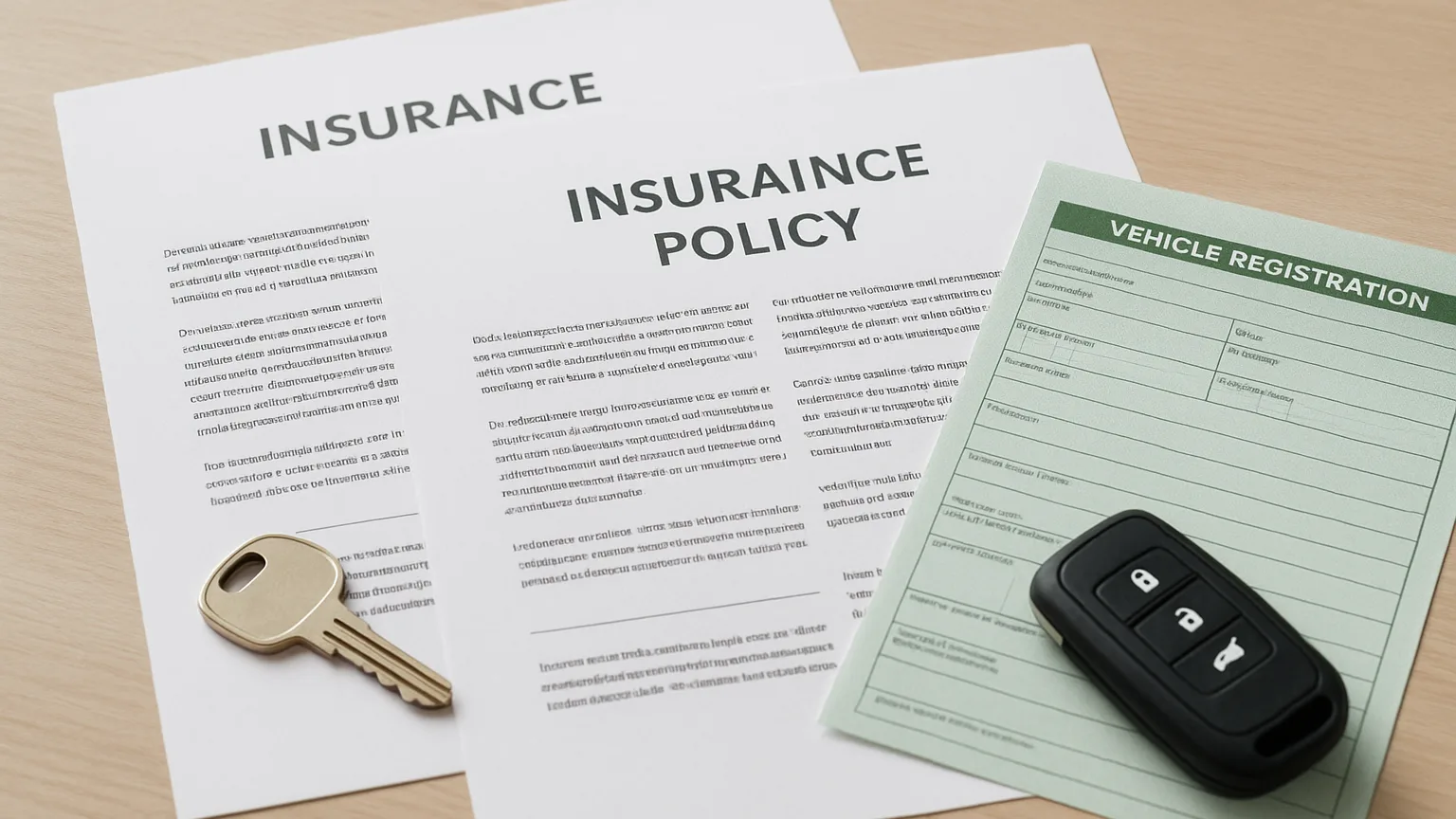
Here is where co-parenting gets technical. If your teen was declared on one parent's policy and driving the other parent's car, both carriers may have a role. Guessing wrong about who to call, or calling nobody, is how coverage gaps turn into out-of-pocket losses.
Notice Rules That Do Not Care About Your Schedule
Most policies require prompt notice of a loss, and "prompt" is not defined generously. Overreporting is inconvenient; underreporting can be denial-worthy.
- Notify the vehicle's insurer first, since auto coverage generally follows the car
- Notify the policy that named the teen as a driver if that is a different household
- Give facts, not conclusions when an adjuster asks what happened
- Do not give a recorded statement to the other driver's insurer without thinking it through
- Ask about PIP, which pays medical bills early regardless of fault in Washington unless it was declined in writing
Whether your teen was properly declared is no longer hypothetical, and if you skipped the step covered in before the permit turns, this is the moment it surfaces.
Pick One Parent to Be the Point of Contact
Adjusters interpret inconsistency as concealment. When two parents call the same claim line with slightly different versions of the same night, the file gets flagged. Designate one parent to communicate with the carriers and one shared cloud folder where both households drop photos, bills, the report number, and every letter that arrives, then keep the other parent fully informed. This is not about control; it is about a single clean narrative.
What Not to Do in Day Two and Three
Do not post about it, not a photo of the car and not a relieved paragraph about how lucky everyone was, because social media gets checked, screenshotted, and quoted. Do not repair the vehicle before it is documented and inspected. Do not accept a fast settlement offer while your teen still has symptoms, since injuries in young drivers sometimes declare themselves a week later. And do not let your teen text the other driver, however well intentioned.
The Real Lesson of Four Articles
Coverage follows facts, not intentions. The policy that responds depends on where your teen actually sleeps and which car they actually drive. The liability that lands depends on whose name is on the title and who handed over the keys. The behavior behind the wheel depends on whether both households said the same thing out loud before the first solo drive, which is why have the hard co-parenting conversation mattered more than any premium comparison.
Two homes do not have to mean two answers. The families who get through a teen's first crash with the least damage, financial and otherwise, are the ones who decided in advance who covers what, who owns what, and who calls whom at eleven at night. Handle the paperwork before the crash and the documentation during the first 72 hours, and the claim becomes a process instead of a crisis.